Indoor Plants That Improve Air Quality and Reduce Radiation at Home

As homes become more sealed and technology-driven, indoor air quality has quietly become a serious concern. Between constant screen use, air conditioning, and limited ventilation, many urban homes need more than just good design. They need balance. One of the simplest ways to achieve that is through plants that improve air quality and help reduce indoor radiation exposure.
This shift is especially visible in modern apartments in Chennai, where people spend long hours indoors. Buyers looking at luxury apartments or upgrading to a luxury flat are now paying attention to how their homes feel, not just how they look.
Why plants matter indoors
Certain plants naturally filter airborne toxins and improve oxygen levels. Some are also known to absorb or neutralise low-level electromagnetic radiation from everyday devices like Wi-Fi routers, televisions, and laptops. While they are not a replacement for good ventilation, they make a noticeable difference over time.
In luxury flats in Chennai, where clean design and calm interiors are a priority, plants also add softness and warmth without clutter.
Plants that work well in Indian homes
Snake Plant (Sansevieria)
This is one of the most effective air-purifying plants and is often recommended for bedrooms. It releases oxygen at night and requires very little maintenance. It works well in both compact homes and large luxury apartments in Chennai.
Areca Palm
Known for improving indoor air quality, the areca palm also adds humidity to dry interiors. It is ideal for living rooms and works especially well in spacious layouts like those found in luxury apartments in Thoraipakkam.
Peace Lily
This plant helps reduce indoor pollutants and thrives in indirect light. It suits apartments with controlled daylight, including many premium developments across the city.
Spider Plant
Easy to grow and effective in reducing airborne toxins, spider plants are a good choice for work-from-home areas where electronic devices are used throughout the day.
Rubber Plant
With broad leaves that trap dust and toxins, rubber plants are useful in homes with heavy AC usage. They also fit naturally into modern interiors without feeling decorative.
Where to place them
Placement matters more than quantity. One well-placed plant often works better than many scattered ones.
Living rooms benefit from larger plants near windows or balconies. Bedrooms are best suited for low-maintenance, oxygen-releasing plants. Home offices and study corners are ideal for radiation-absorbing varieties, especially in homes where screens are always on.
In larger homes like a luxury flat in OMR, zoning plants based on usage helps maintain both aesthetics and function.
A practical approach to healthier living
Plants are not about trends. They are about comfort, health, and creating spaces that feel balanced. This is why many people investing in apartments in Chennai today are looking beyond finishes and amenities. They want homes that support everyday wellbeing in small but meaningful ways.
Whether it is a compact city apartment or a larger home in a growing corridor like OMR or Thoraipakkam, integrating the right plants is one of the simplest steps toward healthier living.
Whether it is a compact city apartment or a larger home in a growing corridor like OMR or Thoraipakkam, integrating the right plants is one of the simplest steps toward healthier living.
Up Next
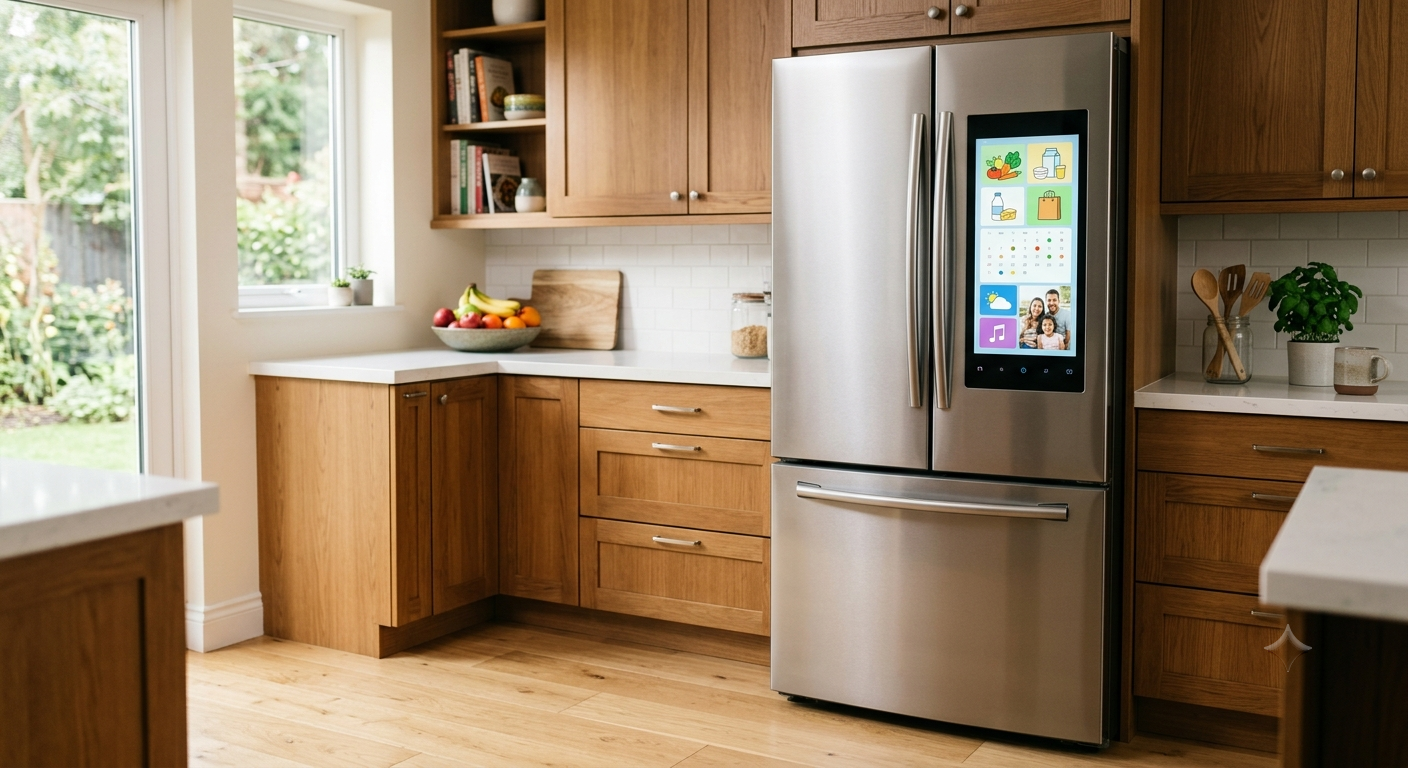
The Evolution of Refrigerators: From Cooling to Intelligent Food Management
The refrigerator has long been one of the most essential appliances in the modern home. From preserving fresh produce to storing leftovers and everyday essentials, it plays a central role in daily life. Yet the refrigerator of today is vastly different from the one that existed even a decade ago.
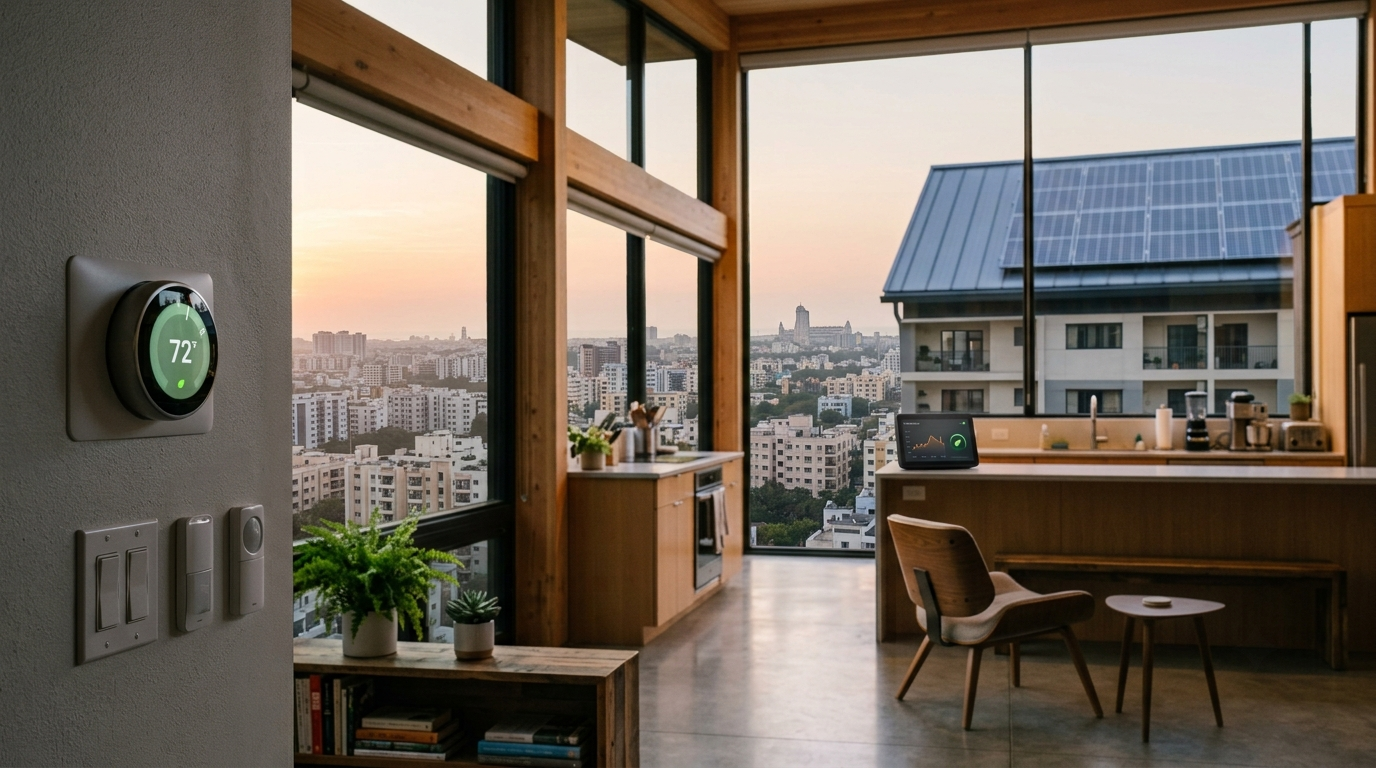
How AI Is Making Smart Homes More Energy Efficient
Smart homes have come a long way from voice-controlled lights and app-based appliances. Today, artificial intelligence is transforming the way homes function by making them more responsive, efficient and sustainable. As homeowners become increasingly conscious of energy consumption, AI is helping create living spaces that not only offer convenience but also reduce waste and optimize resource usage.