Micro Ecosystems in Glass Bringing Nature into Modern Living

In the last ten years or so, architects and designers have been looking for ways to make living spaces feel less like a box and more like an extension of the world outside. One of the most interesting concepts that has come out of this is the idea of a micro-ecosystem in glass, the idea that living spaces made of glass can be home to a living ecosystem.
A micro-ecosystem in glass is not, of course, simply an exercise in decoration. It is, rather, an attempt to craft a balanced micro-environment, an ecosystem, inside an enclosed space, where water evaporates, condenses, and then supports life again. This concept of micro-ecosystems has, of course, been taken up by architects as part of a broader conversation around sustainability.
Why is this relevant beyond terrariums or greenhouse enthusiasts? Why is this relevant to us, beyond our own desire to create a luxurious apartment in chennai , or an apartment in Chennai more broadly? It is relevant because we are living, working, and living our lives inside dense, urban spaces, and bringing nature inside, no matter how small, can help to make our interior spaces feel alive, feel healthy, in ways that traditional interior spaces simply cannot. Research has shown that bringing natural elements inside can improve air quality, reduce stress, and create a sense of calm that traditional interior spaces simply cannot match.
One of the most important factors in this conversation is the role of glass. Glass is a medium of transparency, which allows natural light to penetrate the interior of a space. This, in turn, not only adds to the aesthetic appeal of connecting with the exterior but also supports the functioning of a micro-ecosystem. Eco-architecture has employed the use of glass in a way that minimizes the need for artificial lighting, thereby increasing the comfort quotient of a space.
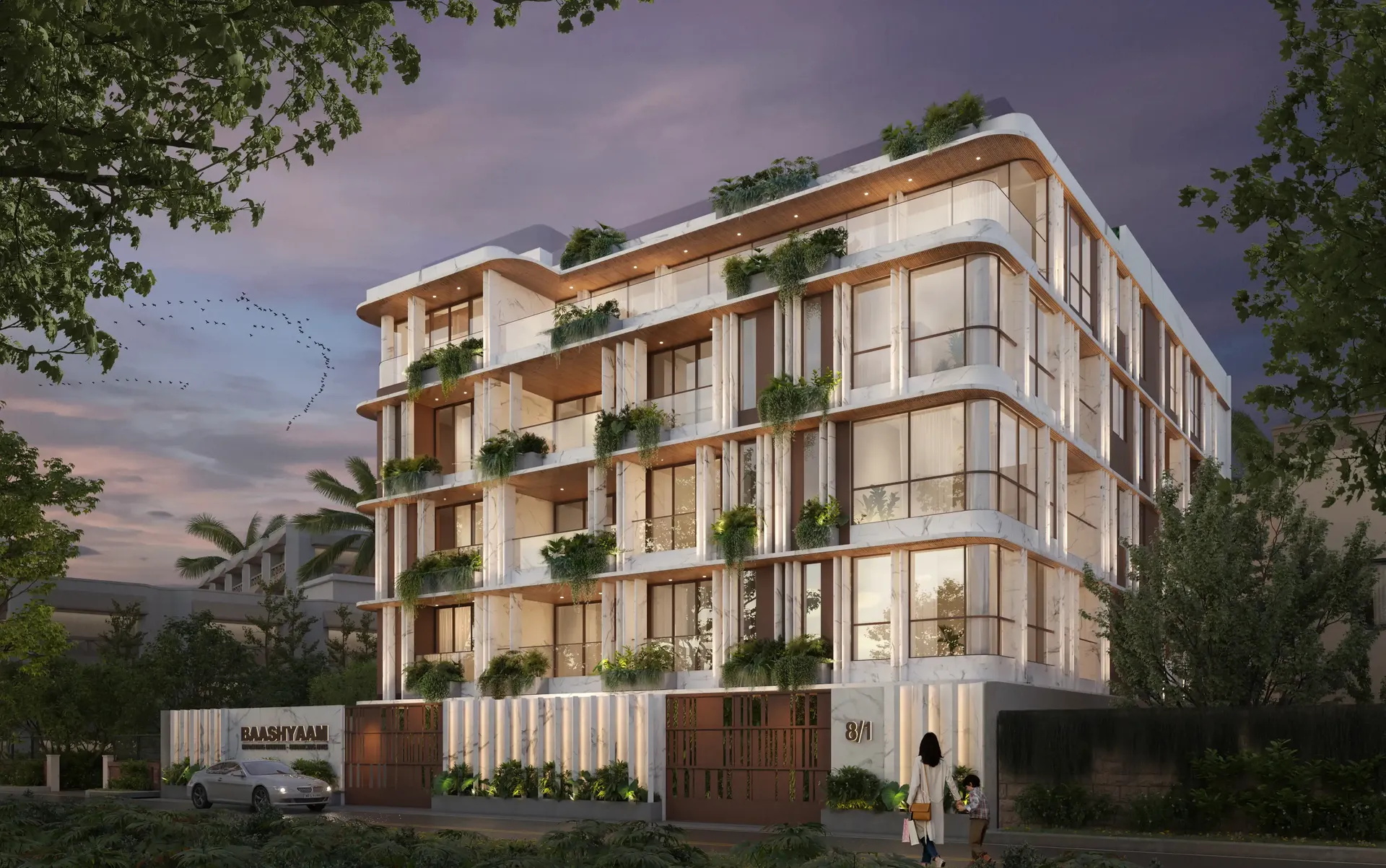
In the context of luxury flats in Chennai, which includes luxury apartments in thoraipakkam , OMR, or any other location, the concept of a micro-ecosystem is in line with the current understanding of the requirements of a high-end living experience. People today do not look for merely the size of a flat or the views that it provides, but also a sense of well-being, groundedness, and a heightened sense of the rhythm of life. The micro-ecosystem in glass can be considered a metaphor.
Unlike traditional planters or green corners, such micro-ecosystems are self-sustaining and require no maintenance. They also illustrate how, in terms of design, seemingly minor decisions can have a disproportionate impact on the overall feel and functionality of a space. And, at its best, such an approach can improve not only the sensory quality of a domestic space but also its contribution to overall well-being.
In rethinking how we think about interior spaces, micro-ecosystems created with glass suggest a future in which buildings are no longer just places to live but living, breathing parts of nature, which we are all a part of.
Up Next
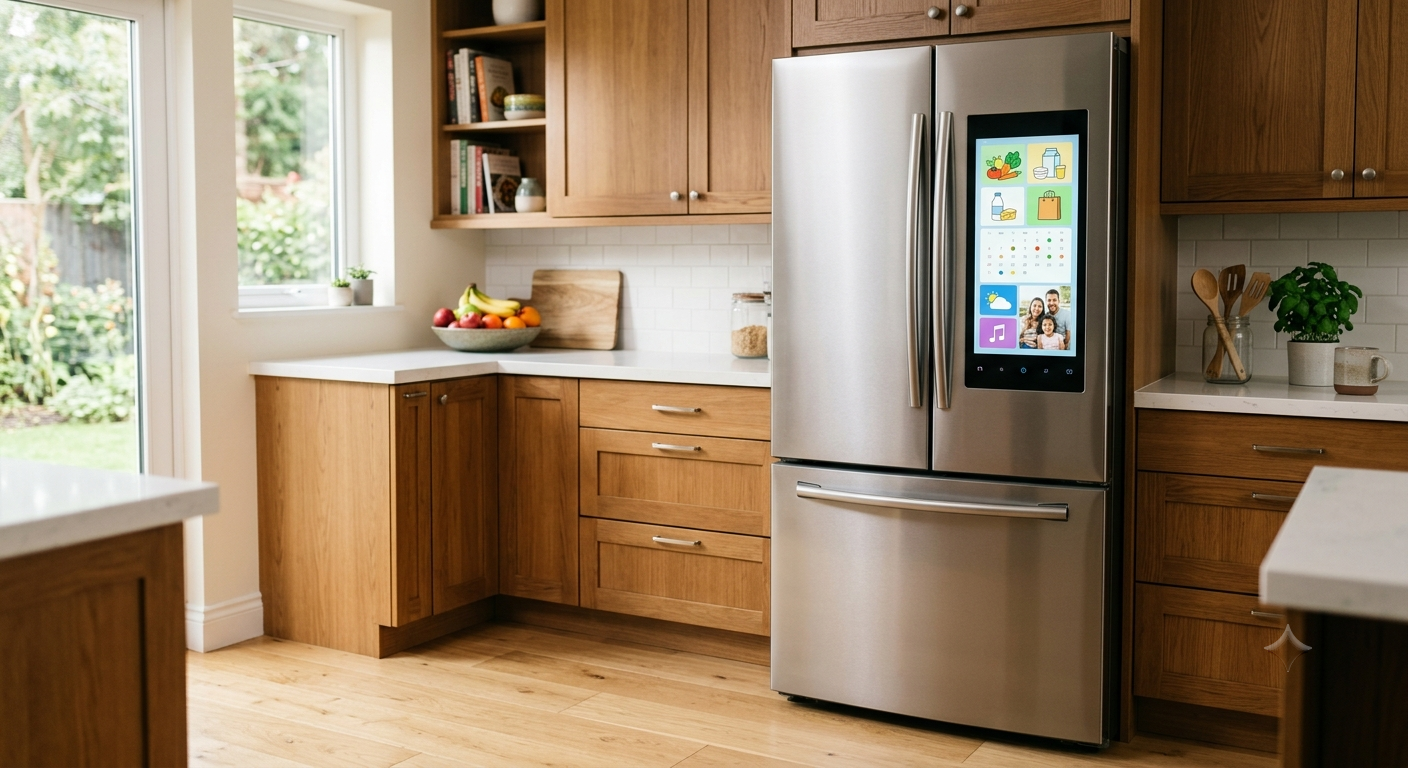
The Evolution of Refrigerators: From Cooling to Intelligent Food Management
The refrigerator has long been one of the most essential appliances in the modern home. From preserving fresh produce to storing leftovers and everyday essentials, it plays a central role in daily life. Yet the refrigerator of today is vastly different from the one that existed even a decade ago.
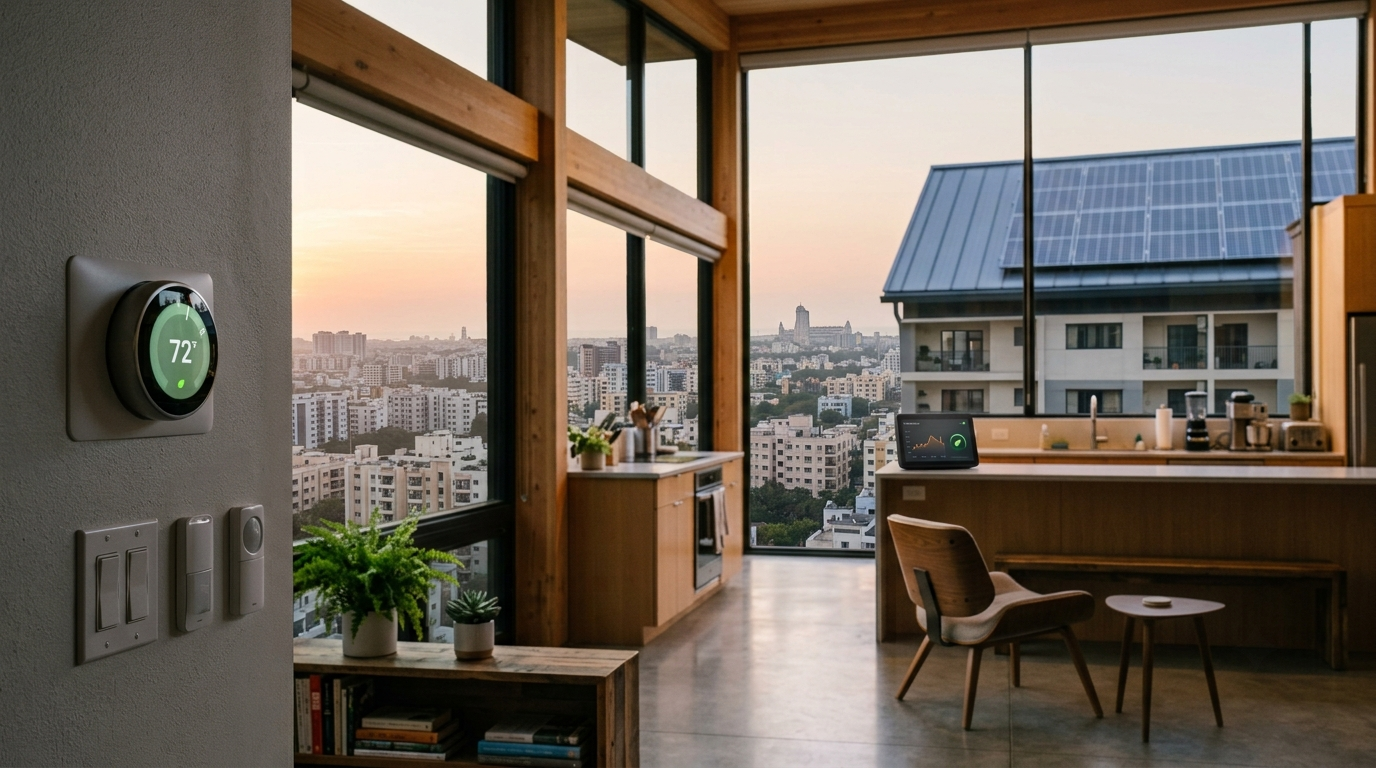
How AI Is Making Smart Homes More Energy Efficient
Smart homes have come a long way from voice-controlled lights and app-based appliances. Today, artificial intelligence is transforming the way homes function by making them more responsive, efficient and sustainable. As homeowners become increasingly conscious of energy consumption, AI is helping create living spaces that not only offer convenience but also reduce waste and optimize resource usage.